
Colton Address History Sources
A previous residents search needs an era plan. The recorder's online index begins later than the first directory and map sources. The assessor's online valuation history begins later still. Directories show listed occupants, telephone books show subscribers, census schedules show households, Sanborn sheets show structures, and permits show project roles. The table keeps those roles separate while showing how they fit one address.
| Source | Years it covers | Where held | What it shows |
|---|---|---|---|
| Recorder index | 1925 to present | San Bernardino County ARC | Recorded parties, titles, dates, and document references |
| Assessment valuation | 1978 to present | ARC Property Information | Parcel assessment history and property facts |
| City directories | 1887 to 1968 regional; Colton editions through 1949 | California Room and catalog providers | Listed households, occupations, and addresses |
| Telephone books | 1919 to 1968 in listed runs | Library of Congress catalog and access paths | Subscribers, numbers, exchanges, and addresses |
| Federal census | Through 1950 as of 2026 | NARA and libraries | Household relationships and nearby households |
| Sanborn map | 1907 verified | Library of Congress and providers | Footprint, materials, use, street labels |
| City permits | Extent not officially dated | Colton Development Services | Applicants, projects, inspections, and construction clues |
The strongest previous residents result usually combines one property source with one occupant source. A deed may show a transfer, while a directory or census page shows who was listed at the address during the same era.
Colton Address Before the Number
Street numbers are convenient but fragile. A parcel can split or merge, a subdivision can be replatted, and a postal city can differ from the incorporated city. Begin by normalizing the present address with USPS and Colton's map set. Click the county parcel, record the APN, situs, legal description, mailing address, and map location, and then use those fields as the modern anchor.
The APN and legal description are especially useful when the previous residents of a Colton house were recorded under a different street number. The assessor map can show neighboring polygons. The Colton street directory explains the present address chain, while the backward trail follows one parcel. Do not infer a match from the same surname or number alone.
- APN
- Assessor parcel number, the county map and assessment key.
- Chain of title
- A sequence of recorded transfers or interests tied to the same legal land.
- Legal description
- Recorded land identity, often using lot, block, subdivision, or metes-and-bounds language.
- Situs
- Physical parcel location, distinct from a tax mailing destination.
Colton Grantor to Grantee Records
San Bernardino County ARC cannot find ownership from a street address. Resolve the address to an APN or current name first. The recorder index can then search grantor and grantee names, document number, date range, and title or type. A grantor conveys an interest. A grantee receives one. The full instrument, legal description, and later transfer matter more than a single index line.
- Use the assessor parcel result to identify the current displayed owner or assessee and legal description.
- Search that name as grantee in the Official Public Records Index and capture the document number and recording date.
- Inspect or order the deed, then copy the seller or grantor and the exact legal description.
- Search that grantor as a prior grantee and repeat while the legal land identity still matches.
- Stop at the 1925 online cutoff and ask ARC staff about earlier indexes, books, archives, or microfilm.
The chain is a property history. It is not, by itself, a list of previous residents. Use a dated directory, census, newspaper, or probate source for the household layer.
Colton's 1925 Recorder Cutoff
The ARC web index covers 1925 to the present, while online assessment valuations begin in 1978. That split is one of the most important facts in a Colton previous residents search. An old owner may be absent from a web property history even though an office index, deed book, county archive, or cataloged microfilm holds the earlier instrument. A current digital cutoff is not the same as a beginning date for local record keeping.
The recorder's official copy route sends a researcher to the Hall of Records in San Bernardino or the High Desert Government Center in Hesperia for inspection or order. The county states $4 for the first page and $1.50 for each subsequent page, with appointments strongly encouraged. A mail request goes to 222 W. Hospitality Lane, first floor, San Bernardino, California 92415-0022. The stated mail turnaround is one to two weeks.
The California Business Programs contact page is the state source represented below when an old address belongs to an entity or filing.
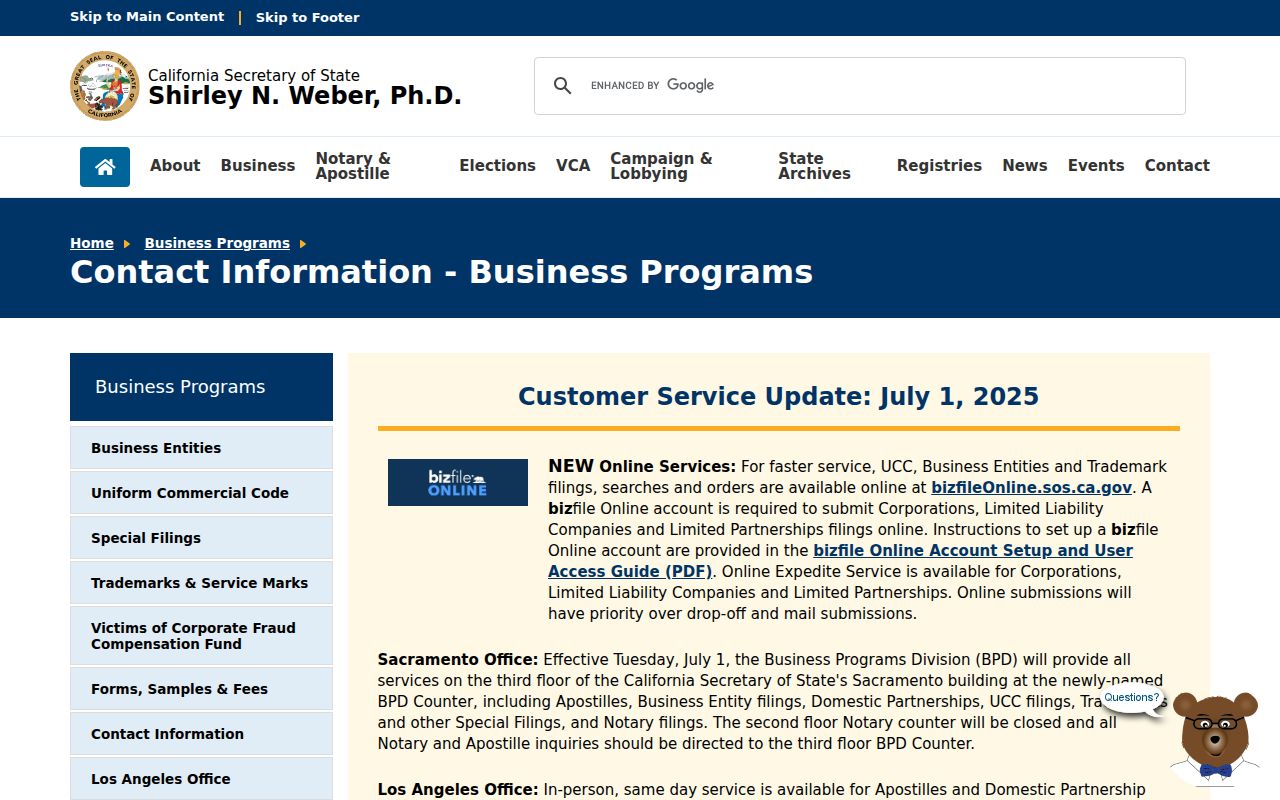
When an old address belongs to a company, agent, or filing rather than a household, this source can route the question. It cannot replace the recorder's earlier deed books. Label the source role before adding it to the property timeline.
Directories Fill Colton Gaps
Historical directories fill the years between census schedules and can show an occupant who never appears in a deed. The Arda Haenszel California Room documents regional city directories from 1887 to 1968. Colton-specific editions were found for 1914, 1916, 1924, 1928, 1930, 1940, 1942, and 1949. A 1942 volume explicitly includes Colton and Rialto. Use the Colton city directory collections page for the catalog trail and entry grammar.
At each year, copy the surname, given name or initial, spouse or widow mark, occupation, residence marker, address, business connection, and page. Then pair the directory with the nearest census year. The process is address plus year plus listed person, followed by a second source. A missing year can reflect death, a move, military service, an entry under a spouse, publisher omission, or a changed number.
The directory is strongest when the street and number align with the parcel footprint and later deed chain. It is a dated publication, not proof that every household member appeared.
Colton Telephone Books to 1968
Telephone books provide another layer for previous residents. The discovered Library of Congress runs extend from January 1919 through April 1968, with gaps divided into several spans. White pages can name a subscriber, street address, exchange, and number. Yellow pages can identify a business at an address. A subscriber may be an adult in the household, a business, or a shared account, so the source must be described precisely.
Use a telephone book when a city directory skips a year or when a business name helps disambiguate a household. Preserve the exchange and exact address. Pair the result with a census page, newspaper notice, permit, or recorded instrument. A disconnected number or omitted subscriber does not prove that the previous residents left Colton.
| Telephone clue | What it can add |
|---|---|
| Subscriber name | A dated listed account holder |
| Street address | Address connection for the listed year |
| Exchange and number | Publication-era telephone detail |
| Yellow-page category | Business or service context at a location |
Colton Sanborn and Permit Records
The Library of Congress Sanborn collection verifies a 1907 Colton map source. Sanborn sheets describe building footprints, materials, use, and street numbering or labeling. They do not name every resident. That makes them a useful bridge when an old number looks wrong: compare the footprint, lot shape, cross street, and nearby structures with the modern parcel and later maps.
City eTRAKiT adds a different kind of history. Permit applications, plans or studies, inspections, final sign-off, and related business-license registration can date an alteration and identify an applicant, owner-builder, contractor, or project role. The public general search is available without login, while detail and account actions can require registration. Use a defined address or project request when the web record is incomplete.
The N. Pennsylvania Avenue historical-resource assessment cited Colton City Directories, a 1913 San Bernardino directory, city permits, maps, and historical context. It is a local model for reconciling previous residents evidence. The lesson is method, not a claim that every Colton address has the same file.
Colton Obituary and Probate Trail
Obituaries and probate files can close a past-resident trail after an address change. A newspaper notice may name relatives, a former town, an occupation, a church, or a service date. A probate petition can identify heirs, a decedent, an executor, or a successor interest. Recorded successor or trustee deeds can then connect the family trail to the legal parcel. Treat statements in a notice or petition as source claims and check later case events.
San Bernardino Sun microfilm is a documented regional newspaper path through the California Room. First Presbyterian Church runs discovered in genealogy catalogs cover portions of 1880 to 1970. Cemetery, church, and family files may add a date that a directory omits, but no official Colton-wide obituary index or cemetery database was verified. Ask the library, museum, or archive about holdings.
For family history, the previous residents of a Colton house can be reconstructed without publishing a living person's current details. Use the least intrusive source that answers the historical question and keep protected or sealed information out of a public narrative.
Business Roles at Old Addresses
A past address can appear in a business filing, fictitious business name record, professional license, or permit. Those sources help explain why a directory lists a company instead of a household. Bizfile can show an entity number, status, formation date, jurisdiction, principal or mailing address, agent, filing history, and free PDFs. A registered agent or principal office is an organizational fact and should not be labeled as a resident's home without independent evidence.
When an old address is tied to a business dispute or suspicious solicitation, use the official agency contact and complaint path. The California UCC search instructions cover debtor and secured-party modes, while the California Attorney General consumer complaint route is a direct channel for a business complaint rather than a substitute for house-history evidence.
The California Attorney General consumer complaint route is the official source represented below for a business complaint.
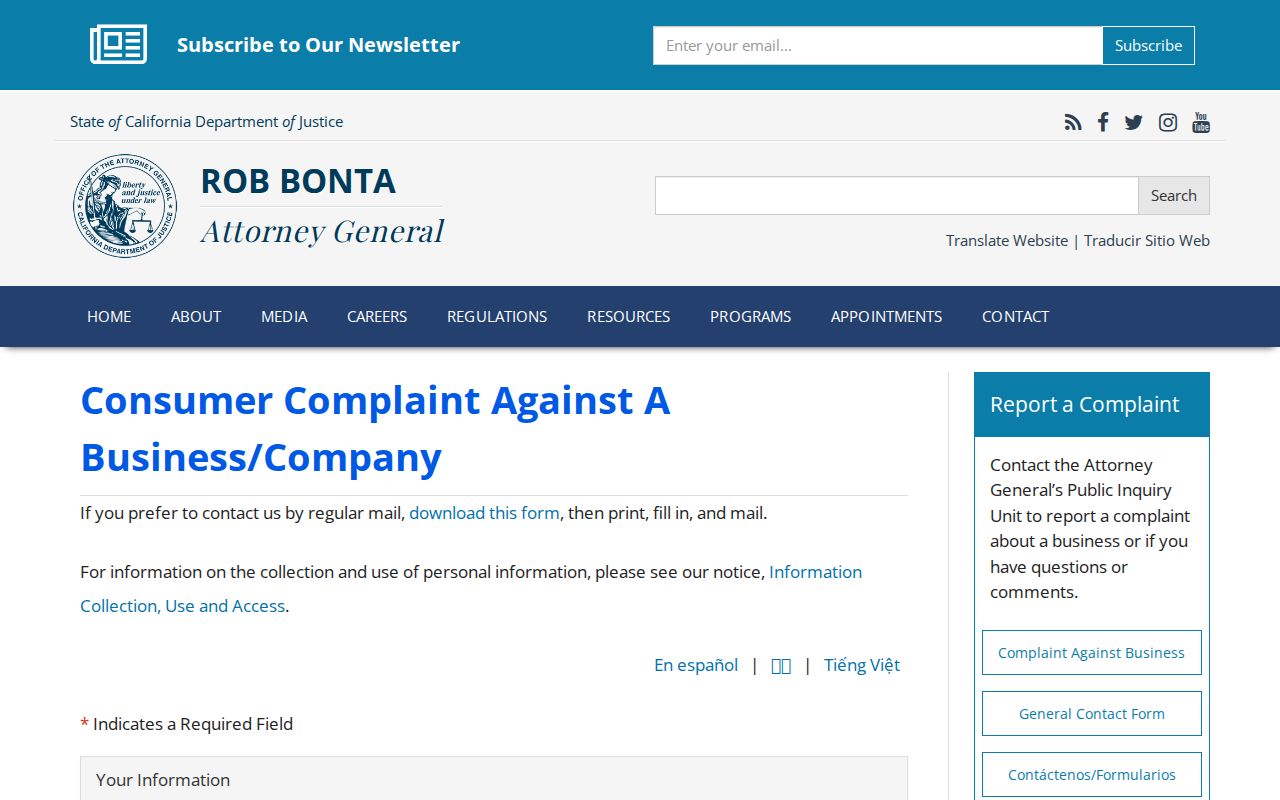
Keep the complaint or filing source beside the address and date. A business name can disambiguate a person, but it does not establish who lived at the location.
Close the Colton Trail Carefully
A house-history result should end with a source ledger: APN and legal description, recorder document number, directory title and page, census year, map sheet, permit number, obituary citation, or probate case. If the sources disagree, show the disagreement. A street number can drift, a surname can be shared, and a directory can omit a household.
Lawful house history. Research into previous residents is for family history, preservation, property history, and personal curiosity. Do not use an address trail to stalk, harass, intimidate, or harm a living person.
Privacy protections can also explain an absence. Safe at Home provides substitute addressing, mail forwarding, confidential voter registration, and an agent for service for eligible participants. It does not erase older public records. The federal identity-theft recovery route is appropriate for a suspected identity problem, not for proving who once occupied a house.
The federal identity-theft recovery portal is the official safety source represented below.
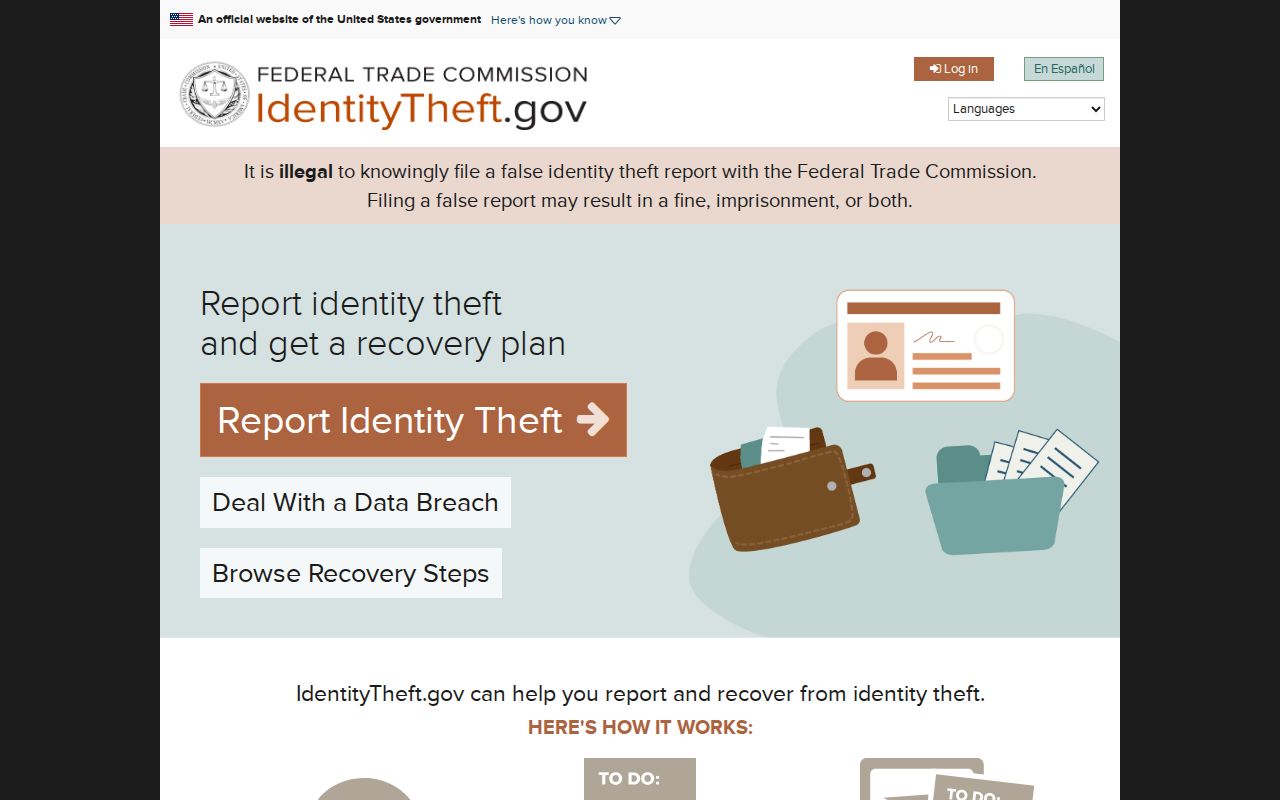
Use that safety route for an identity problem. For a record correction, contact the custodian that created the fact. For an older unknown, keep the conclusion appropriately dated and qualified.